

Goshen, Indiana — An Honest Look at What It's Like to Live There
It's not the kind of place that makes a first impression.
You drive in, you see a water tower, some older houses, a main street that looks like it's been there since before anyone thought to photograph it. Nothing jumps out. And that's actually part of it — Goshen doesn't try to sell itself to you on arrival. It just exists, and you either get it over time or you don't.
The people who get it tend to stick around a long time.
What the community actually feels like
There's a coffee shop downtown — been there for years — where the staff remembers your order by your third visit. Not as a policy. Just because that's how it works there. That's a small thing, but it's also not a small thing, depending on where you're coming from.
Goshen has a lot of that. Neighbors who introduce themselves. Local businesses that have history behind them. A downtown that gets used, not just photographed. People show up to things here — not out of obligation but because the town has enough going on that showing up is actually worth it.
Coming from anywhere with more than a million people, this feels almost disorienting at first. You're not used to it. And then you get used to it very fast, and going back to the alternative stops sounding appealing.
The money side of it
Okay, real talk. The reason a lot of people end up considering Goshen — even people who weren't looking in Indiana at all — is the housing math. It just works here in a way it doesn't in a lot of places right now.
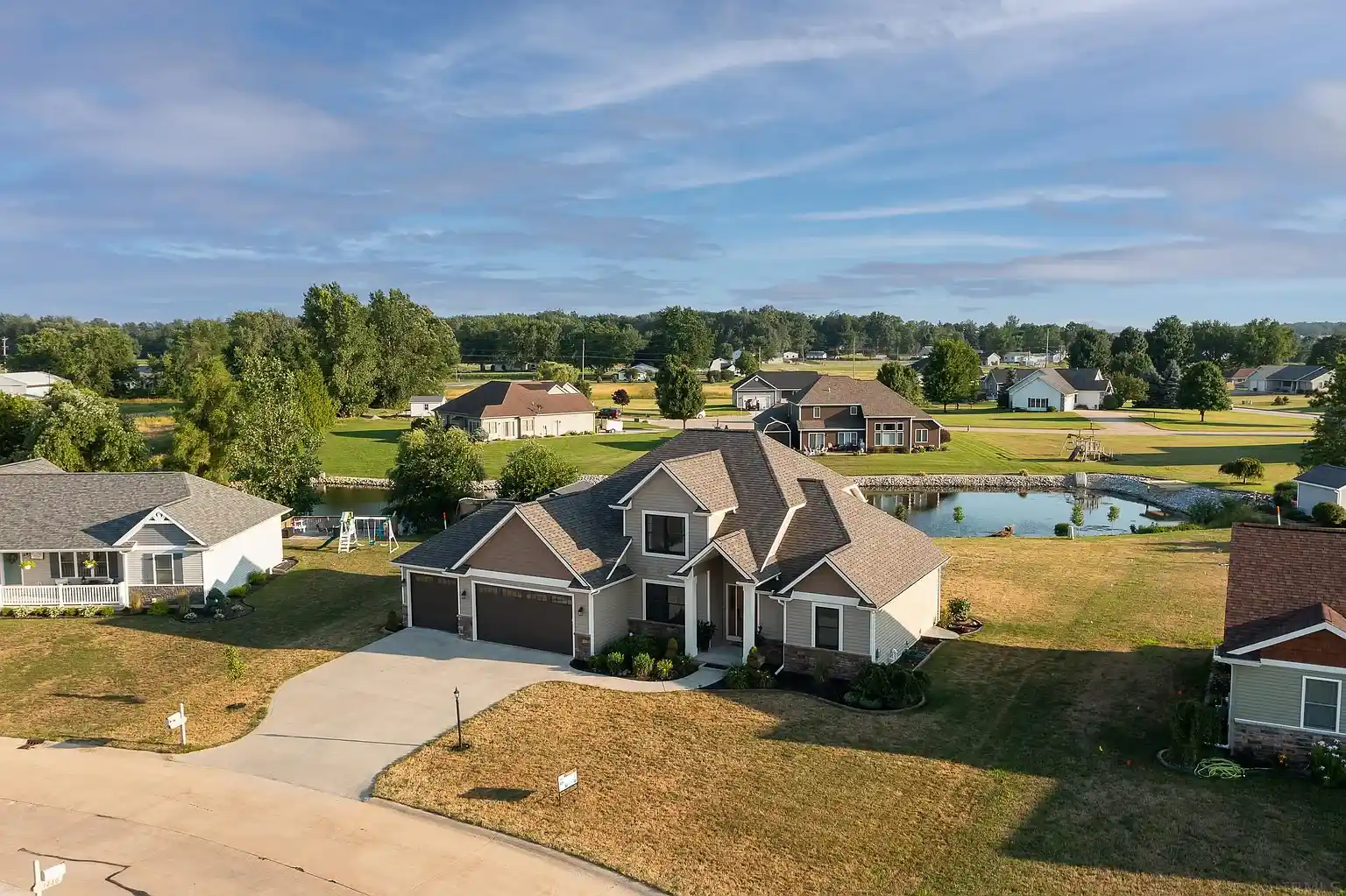
That's not a knock on the town. It's actually a sign that it's functional. When regular people on regular incomes can buy real houses — not condos the size of a hotel room, not fixer-uppers held together with hope — something is going right. Goshen still has that. The prices are honest. The inventory exists. And the homes themselves are the kind with yards and basements and room for a family to actually grow into.
For people who've been priced out of everywhere else they wanted to live, this matters more than any other thing on this list.
Downtown — and why it's worth bringing up separately
Most small-town downtowns are sad. That's just true. A few empty storefronts, a diner that's been there since 1987, a bank. You go once and there's nothing pulling you back.
Goshen's is genuinely different and it's hard to explain exactly why without just taking you there. Part of it is the walkability — you can actually get from one end to the other without getting in your car, which sounds obvious but isn't in most towns this size. Part of it is that the businesses there feel chosen, not default. Restaurants where someone clearly cared about the menu. Shops with a reason to exist. The kind of place where you make plans to go back before you've finished being there the first time.
It gives the town a center. Which sounds abstract until you've lived somewhere that doesn't have one.
The geography works in your favor
Elkhart is close enough that it's not a commute so much as a drive. South Bend is there when you need it. Chicago is further but reachable on a weekend if you want a city fix without relocating to one.
The roads are fine. The traffic is not a thing you think about. And when Goshen doesn't have something you need — which happens, it's a mid-size town — getting it doesn't require clearing your schedule.
That particular combination — somewhere genuinely calm that isn't genuinely inconvenient — takes a surprising amount of luck to find.
Why people don't leave
This is the tell.
Goshen has low turnover for a town that doesn't have one obvious, magnetic reason to stay — no major university, no tech hub, no beach. People stay because the accumulation of small good things adds up to something that's hard to walk away from. The neighbor you've known for eight years. The restaurant where they know what you drink. The house you own that doesn't make you anxious every time you check your bank account.
That's what a livable place actually feels like. It's not dramatic. It's just good, consistently, over a long period of time.
Working with someone who actually knows these streets
Lisa Collio has been doing real estate in Goshen and Elkhart long enough that she knows things no listing will tell you. Which neighborhood has been quietly improving for two years. Which block looks fine online but doesn't feel right in person. What you're actually getting at a given price point depending on where in town you're looking.
She's bilingual — English and Spanish, not conversationally bilingual but actually fluent — which for Spanish-speaking families changes the whole texture of the process. It's not about translation. It's about being able to say what you actually mean, ask what you actually want to ask, and understand what's actually being said back to you. That difference shows up most during negotiations and inspections, which are exactly the moments where clarity matters most.
The honest answer to whether you should move here
If you need a city, don't. Goshen is not going to give you that and you'll be frustrated with it for the wrong reasons.
But if what you're describing — when you're honest about it — is somewhere affordable, genuinely neighborly, with a real downtown and a pace that doesn't grind you down — Goshen is worth more than a passing look. Most people who take it seriously are surprised by how much it checks off.
Best thing to do is talk to someone who knows it. Thirty minutes usually settles most of the questions.